De manier waarop Leaderboard Competities Func
Bij Wizebets Casino draait plezier om meer dan alleen j...
September 18, 2026



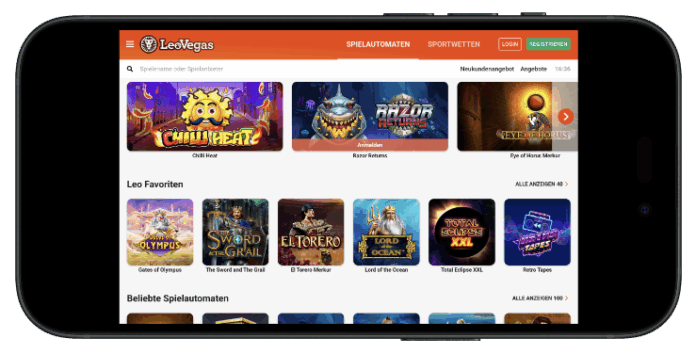
The way players in Latvia reach their favorite casino games has shifted hard toward mobile over the last few years. A native casino app, like the one slotorokazino lietotne ios provides, is software constructed from the ground up for a specific operating system, iOS or Android. It is not a browser shortcut dressed up with an icon. These programs utilize the hardware and software foundation of the phone, which delivers a tactile, snappy, visually consistent feel. For a Latvian player who cares about stability and speed, knowing how a native app stands apart from a web-based knockoff is the first real step toward determining where to put their money and their trust, whether on a morning commute or a quiet night at home.
The major divide between a native app and a mobile website comes down to how the code communicates with the processor and graphics chip. A native app builds directly for the platform. The software accesses the hardware without extra translation layers gumming up the works. That direct line reduces memory leaks and random crashes that can transform a browser session into a mess. For Latvian users who bounce between mobile data and Wi-Fi, this steadiness matters. A blip in connectivity on a web page can clear the whole game state. A well-built native app can often stash the session state locally, preserving a player’s spot in a bonus round or a live dealer hand until the connection returns, no data lost.
Resource management inside a native environment also performs better. The app is installed on the device, so it caches key assets and handles background tasks better than a browser tab stuck under Safari’s or Chrome’s memory cap. Frame drops during graphics-heavy slot animations become rare. When a Slotoro Casino player activates a high-volatility slot with cascading reels and layered particle effects, the native app displays those sequences without a hitch, preserving the visual punch intact. That technical backbone encases the random number generator and game logic inside a sealed space, protected from the jerky performance swings that sometimes disrupt HTML5 interfaces on older phones.
Casino games demand a live connection for real-money bets, but the native app environment handles network wobbles significantly better. Mobile signals in Latvia can drop when moving between city centers and the countryside, and a native app handles those shifts in stride. It can organize actions smartly, pause the game state on the spot, and show a quiet reconnection overlay, continuing the session exactly where it left off once a stable data packet arrives. A browser tab, affected by a sudden loss of 4G, often becomes unresponsive solid or fails, compelling the player to log in again and find their way back to the game lobby. That ruins the session’s momentum and creates frustration.
Native apps can also preload a chunk of non-sensitive content, game lobbies, help files, static images, rendering those pieces available even in a low-signal spot. A player cannot spin a reel without a connection, but they can explore the game library, review the rules of a tricky table game, or verify their transaction history fully offline. This hybrid ability converts the app into a handy reference tool, not just a gambling portal. Slotoro Casino leverages this to make the app feel solid and present on the device at all times, not just when the signal bars are full. That constant availability builds a sense of reliability, cementing the idea that the casino is a permanent, trustworthy fixture on the home screen, not a fleeting, shaky web link.
Moving through a native casino app is intuitive because the gestures and transitions copy what the operating system already does. Swipes, taps, pinch-to-zoom, they all respond with zero lag, offering a sense of physical grip that web apps seldom achieve. The interface components, from the lobby carousel to the cashier buttons, are displayed with the platform’s native UI kits. Text remains crisp, buttons sit precisely where a thumb anticipates them. For the Latvian market, where players favor efficiency and clarity, that means fewer searches for games and more time inside the action. Eliminating the browser address bar and nav buttons also liberates screen space, enabling the game grid expand over the high-res displays found on today’s smartphones.
Design consistency extends all the way into the visual feedback systems. When a player lands a win, the device’s haptic engine can trigger a subtle physical tap, a sensory layer entirely absent from mobile web play. The native setup also features a fixed bottom navigation bar that is anchored while game categories slide separately, a pattern that keeps you oriented. At Slotoro Casino, the app layout minimizes cognitive load by marking live casino, slots, and table games with distinct visual cues. This deliberate structure prevents the visual clutter that often chokes mobile sites, where ad pop-ups and browser notifications disrupt the flow of play and shatter the immersive spell a good entertainment session needs.
The difference between clicking an icon and putting down a bet is where native applications have a distinct advantage. A native app stores its main framework and container stored locally. The boot process just must authenticate the user and contact the server for live data, a job that typically completes in fewer than two seconds. A mobile website has to set up a secure connection, download the page shell, chew through JavaScript, and build the Document Object Model before the first game thumbnail appears. For a player in Riga trying to squeeze a few hands of blackjack into a short break, that speed difference dictates whether the gameplay feels enjoyable or turns into a annoying delay that eats the full break.
That quick launch is enhanced by the app’s ability to flash a static splash screen immediately, giving instant visual proof that the software is working. Underneath that splash, the app verifies biometric data and loads the lobby in the background, making the transition feel smooth. The Slotoro Casino native app uses this design so the lobby becomes interactive nearly as soon as it opens. This is not just about convenience. It demonstrates a greater respect for the player’s clock. Software that strips out friction and serves content instantly fosters greater user loyalty and a more robust sense of trust than a site displaying a loading icon for a full ten seconds.
Once inside a game, the rendering pipeline of a native app grabs hardware acceleration through OpenGL or Metal on iOS, and Vulkan on Android. Complex 3D animations and lighting effects can run at a locked 60 frames per second, even on mid-range devices. Web-based casinos lean on WebGL, which sits inside the browser sandbox and cannot push the GPU with the same priority. The result is a smoothness you can feel in the native app, reels spin with a buttery glide, cards flip without micro-stutters. For Latvian players who care about high production values in games from studios like Pragmatic Play or Evolution, the native app serves the exact audiovisual experience the studio built, no compression artifacts or downgraded frame rates.
Audio alignment is an understated but tangible advantage of the native rendering pipeline. In a browser, audio latency can wedge a tiny delay between a visual event and its sound effect, a disconnect the subconscious reads as cheap. Native apps push audio through the device’s low-latency channels, so the clink of coins and the celebratory jingle hit the ear at the exact millisecond the symbols line up. That tight sync deepens the emotional kick of a win. Slotoro Casino’s platform keeps this technical precision steady across the whole library. Whether a player sits in a quiet library in Daugavpils or a noisy café, the immersive audio-visual thread stays unbroken and perfectly timed.
Native applications can integrate directly with the device’s biometric security hardware, biometric sensors and facial identification systems. This connection runs at the operating system level, so the casino app never accesses or stores raw biometric data. It just receives a secure token that confirms the user’s identity. That is a significant leap in security over keying in a password into a mobile browser, which sits open to keylogging and shoulder surfing. For players in Latvia, where digital banking and secure ID are embedded in daily life, the bar for this kind of protection remains high. Logging into Slotoro Casino with a glance or a touch offers a frictionless but robust barrier against anyone trying to slip into an account.
Native apps also provide a secure enclave for storing sensitive session tokens and encryption keys. Those pieces become locked inside the device’s hardware-backed keystore, making it far harder for malware to extract credentials than it would be to gather them from a browser’s local storage or cookies. The application sandbox stops other apps from intercepting chatter between the casino client and the gaming server. That isolation matters for ensuring financial transactions clean. When a player deposits funds or requests a withdrawal, the native app establishes a direct, encrypted tunnel using certificate pinning, which neuters man-in-the-middle attacks that hover over public or unsecured Wi-Fi networks.
Cryptographic protocols inside a native app are usually stricter and less likely to get improperly set up than the ones in a browser session. A dedicated app can apply certificate pinning with a firm hold, declining to connect to any server that does not show a particular, pre-approved SSL certificate. That stops even refined phishing attempts that could deceive a browser user with a fake domain. The app’s code gets compiled and hidden, which makes it reverse engineering far tougher for threat actors hunting vulnerabilities. The Slotoro Casino application utilizes industry-standard TLS encryption for all data in transit, so personal ID documents and transaction histories remain protected from interception as they transfer between Latvia and the secure servers.
Local data storage on a native app is also encrypted by default, relying on the full-disk encryption of a current mobile OS. If a device is lost or taken, the cached data inside the casino app stays an unreadable cipher without the user’s device passcode or biometric key. A browser may leave sensitive session data unprotected if the device is unlocked. This defense-in-depth approach, combining network-level encryption on top of local hardware-backed security, builds a fortress around the player’s identity. It lets Latvian players concentrate on the entertainment side of the games, aware that the technical scaffolding is quietly and effectively deflecting a variety of digital threats.
A persistent myth says native apps are resource-intensive. The opposite is usually accurate. A native app is built for a particular processor architecture, so it can operate efficiently on a broad spread of devices, from top-tier phones to the cheaper smartphones frequently seen in Latvia. The development team can tune the asset pipeline to deliver high-resolution textures to strong hardware while subtly lowering graphical detail for legacy processors, ensuring fluid performance without overheating the battery. A mobile website has no comparable precision. It shoves the same heavy JavaScript package at a low-cost phone and a high-end tablet alike, frequently leaving the budget device with a sluggish, clunky interface and each device with a depleted battery.

Battery drain is a real worry for mobile players who could be distant from a charger for hours. Native apps use power more sparingly because they can delegate heavy calculations to the GPU and manage CPU wake cycles with precision. A browser-based game, churning inside a sophisticated rendering system, maintains the processor in a higher power state nonstop, accumulating heat and sucking the battery fast. The Slotoro Casino app is engineered to use energy sparingly, using dark mode interfaces and tuned frame pacing to prolong playtime. A player on the train from Jūrmala to Riga can enjoy a extended session of live roulette without watching the battery percentage nosedive, a real benefit that directly boosts the convenience of the entire experience.
The operating system’s notification engine establishes a direct, secure channel for communication that doesn’t rely on email or SMS, each of which can be delayed or end up in spam. Through the operating system’s notification API, the app can send instant notifications about special promotions, tournament kickoffs, or a processed payout request. The system works through permissions and keeps transparency, handing the user detailed control over what they receive. For the Latvian player, that means always catching a limited-time offer on a go-to slot while maintaining complete control to mute marketing messages with a single toggle in the system preferences. That degree of control hardly feels as simple with browser-based push notifications or promotional email lists.
More to the point, system-level tech permits a stronger framework of responsible gaming controls. The app can talk to the device’s time settings and activity monitoring to provide awareness alerts that can’t be avoided by resetting browser data. Deposit limits, loss caps, and playtime alerts get integrated into the app framework, making them sturdy and hard to tamper with. Slotoro Casino embeds these tools thoroughly, enabling a player set a strict time limit that, when reached, blocks the app’s gaming functions for a set cooling-off period. This hard-coded self-exclusion logic performs much better than a web-based cookie reminder. It links the restriction to the secure device hardware, offering a real safety net for anyone who wants to keep a tight grip on their gaming budget and time. ekspertu padomi
The journey to obtaining a native app is a one-time step that builds a permanent, secure connection between the player and the operator. For Android users in Latvia, that typically involves downloading the APK right from the official Slotoro Casino website, a method that avoids the limiting gambling policies of the Google Play Store. Installation asks for a straightforward security permission toggle to permit installs from a trusted source, a step that also teaches the user a little on device security. For iOS users, the process often runs through a direct download link with a configuration profile, or through regional App Store availability, which ensures the software receives signing and vetted by Apple’s strict security checks. That first half-minute pays back in daily convenience for months afterward.
Concerns about storage space tend to get exaggerated. Modern native apps keep surprisingly light. The core application shell is small, and game assets stream on demand and manage cache efficiently instead of bloating the device with gigabytes of unused data. The app’s cache management appears prominently, letting users clear temporary files without dropping login credentials or preferences. That differs greatly to a browser, where the cache can corrupt and slow down all web activity. The Slotoro Casino app is crafted to be a polite tenant on the device, honoring storage limits and making sure the casino’s presence does not drag down the performance of other must-have apps like maps, messaging, or mobile banking that residents lean on every day.
